
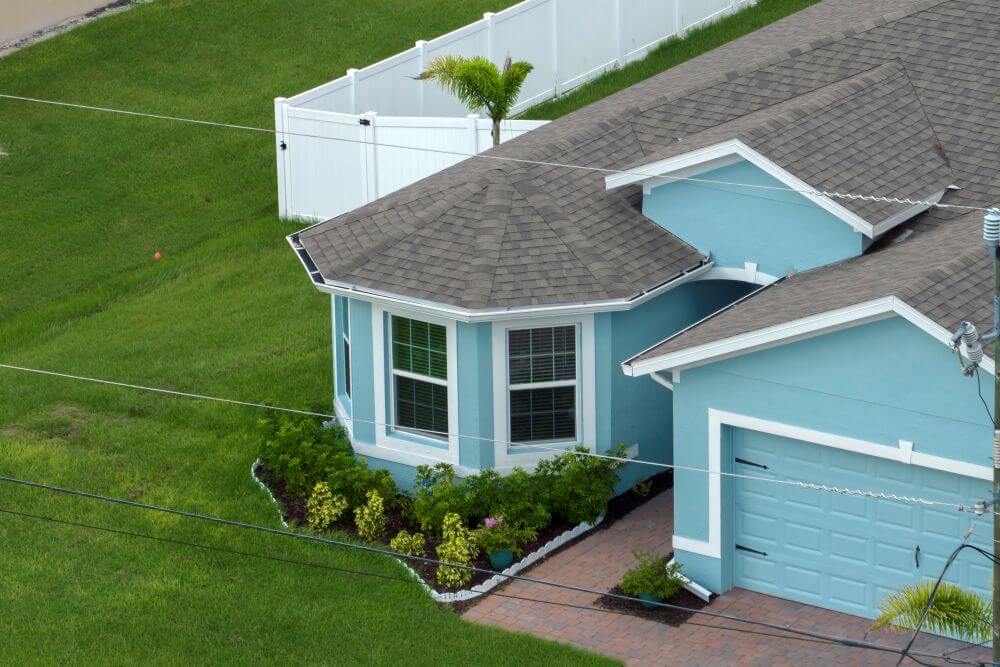
You can paint vinyl siding, and it can look good for years, as long as you respect two limits: the paint has to be a flexible acrylic, and the new color can’t be much darker than the original. Go darker and the siding can soak up enough heat from the sun to warp, and warped vinyl doesn’t flatten back out.
Before you buy paint, check the siding warranty, since some manufacturers’ policies are voided by painting. This guide walks through what sticks, what warps and how to prep. If you’d like a crew to handle it, the TurnKey Painter team paints siding of all kinds, and you can request a free estimate or call (504) 608-5528.
Key takeaways
- Choose a color no darker than the siding’s original color, unless you use a paint line made for darker colors on vinyl.
- Use a quality exterior acrylic; Sherwin-Williams says oil-based coatings aren’t recommended on vinyl.
- Clean gently: CertainTeed advises against power washing its vinyl siding.
- Only paint siding that’s sound and stable; warped or buckled panels usually need repair or replacement first.
- Check your siding warranty, because painting can void some policies.
Why vinyl warps when you paint it the wrong color
Vinyl moves with temperature. CertainTeed’s vinyl siding installation guide calls allowing for that movement the most important rule of installation, because panels have to expand and contract freely as temperatures change.
Paint changes how much heat the panel absorbs. Sherwin-Williams’ article on vinyl siding warping explains that dark paint absorbs the sun’s heat and passes it to the siding, and when vinyl expands dramatically it can’t contract back to its original dimensions.
That’s why color matters more on vinyl than on almost any other siding. The same article recommends a shade no darker than the siding’s original color, with whites, off-whites, pastels and other very light colors as the safe range.
What about darker colors
Some paint lines are built for this problem. Sherwin-Williams says its VinylSafe paint colors offer 100 options, including a limited selection of darker colors formulated to resist warping or buckling on sound, stable vinyl siding.
If you want a darker look, pick from a line like that rather than a standard color card. And test on a sunny wall before committing the whole house.
What kind of paint will stick to vinyl siding
Flexibility is the key property. Sherwin-Williams says oil-based coatings aren’t recommended on vinyl siding because of poor flexibility, and it names acrylic exterior finishes such as Emerald, Duration, Resilience and SuperPaint as suitable options.
Primer is often optional. The same Sherwin-Williams article says a primer usually isn’t needed when you use an acrylic topcoat, though you should always follow the paint label for the specific product.
Paint choices at a glance
| Choice | On vinyl siding | Why |
|---|---|---|
| 100% acrylic exterior paint | Recommended | Flexible enough to move with the panels |
| Oil-based paint | Not recommended | Poor flexibility, per Sherwin-Williams |
| Light colors, no darker than original | Safe range | Less heat absorbed |
| Dark standard colors | Avoid | Heat can warp the panels |
| Vinyl-safe dark colors | Possible on sound siding | Formulated to resist warping |
For more on how paint types perform in this climate, see our guide to the best exterior paint for New Orleans homes.
Can you paint 20 year old vinyl siding
Condition matters more than age. Sherwin-Williams’ guidance applies to sound, stable vinyl siding, and it says warped or buckled siding should be assessed by a siding or home repair contractor because it may need to be replaced.
Weathered vinyl often picks up a chalky film. CertainTeed’s guide says chalk accumulating on the surface is a normal condition for pigmented materials exposed to the elements, and it has to be washed off so paint can bond.
Here’s a quick way to judge older siding before painting:
- Flat and tight: panels lie flat and lock together without gaps or waves
- No cracks or holes: damaged panels should be replaced before painting, not painted over
- Chalk washes off: the surface comes clean with a brush and soapy water
- Faded but even: uniform fading is fine; blotchy areas may point to a cleaning or damage issue
- Loose panels secured: anything rattling or pulling away gets fixed first

How to prep and paint vinyl siding
Cleaning without damage
Sources differ on pressure washing, so err on the gentle side. Sherwin-Williams’ surface preparation FAQ says vinyl can be cleaned with warm soapy water or power washing, and it warns against wire brushing or sanding, which can permanently damage the surface.
CertainTeed is more cautious about its own product. Its guide says it doesn’t recommend power washing vinyl siding because it can cause moisture intrusion, damage or discoloration, and it recommends a garden hose, a soft bristle brush and soapy water, washing from the bottom up to reduce streaking.
Mildew is common in humid places. CertainTeed notes that mildew shows up as black spots, often under eaves and porch ceilings where rain doesn’t reach, and its guide includes a specific cleaning solution along with a caution that stronger mixes can damage the siding.
The painting sequence
- Read the siding warranty and confirm painting won’t void it.
- Inspect every wall for warped, cracked or loose panels and repair them first.
- Wash the siding with a soft brush and soapy water, working from the bottom up, and rinse well.
- Treat mildew with a cleaner the siding maker approves, then rinse.
- Let the siding dry completely.
- Mask windows, doors, fixtures and anything you don’t want painted.
- Apply a quality acrylic exterior paint in a color no darker than the original, following the label on coats and recoat time.
- Paint trim and details, then remove masking and check for misses.
Weather matters too
Sherwin-Williams’ application FAQ says the temperature should ideally stay above the dew point for at least 48 hours after painting, and that most products need at least 4 hours of dry time before moisture settles on the surface. It also warns that very high temperatures can dry a film before it properly adheres.
On vinyl, that last point is worth taking seriously. Paint in the shade, following the sun around the house, rather than onto panels that have been baking all afternoon.
What are common problems when painting vinyl siding
- Warping and buckling: from going darker than the original color with a standard paint
- Peeling: from painting over chalk, dirt or mildew that wasn’t fully washed off
- Cracking: from rigid coatings like oil-based paint that can’t flex with the panels
- Surface damage: from wire brushing, sanding or aggressive pressure washing
- Warranty trouble: from painting siding whose warranty doesn’t allow it
- Streaks or stains: Sherwin-Williams’ troubleshooting guide says dew forming on latex paint before it cures can leave a residue called surfactant leaching
One more problem isn’t caused by paint at all. The Polymeric Exterior Products Association, the trade group for vinyl and other polymeric siding, has a page on solar reflection explaining that concentrated sunlight reflected off surfaces like energy-efficient windows can create enough heat to melt the siding surface, and that this kind of damage typically isn’t covered by warranties. Rule that out before blaming a paint job for a warped panel.
Choosing a color you won’t regret
Since the safe range runs from the original color toward lighter, color choice is where most vinyl projects are won or lost. A few habits make it easier:
- Find the original color first. Look behind a shutter, under a downspout bracket or on a leftover panel in the garage, where the vinyl hasn’t faded.
- Compare swatches against that unfaded piece, not against the faded wall, so you don’t drift darker by accident.
- Paint a large sample on the sunniest wall and look at it in morning and late afternoon light.
- If you want a deep color, choose from a vinyl-safe paint line and confirm the exact color is on that list.
- Plan the trim at the same time. Crisp white or a light neutral trim can make a light body color feel less washed out.
DIY or hire a crew
Vinyl is one of the easier sidings to paint, but the job is bigger than it looks. Every wall needs a full wash and rinse, and a missed patch of chalk or mildew shows up later as peeling.
Height is the other factor. Working a ladder on a two-story wall, often with a sprayer or roller pole, is where DIY painting gets risky. If the house is tall or the siding needs repairs first, a professional crew is usually the safer call.
Is it cheaper to paint vinyl siding or replace it
Painting usually costs much less. HomeGuide’s exterior painting cost guide puts painting vinyl siding at $1.50 to $4.50 per square foot, the lowest range of the siding types it tracks. It also notes that painting vinyl can void some siding warranties.
For comparison, HomeGuide’s wood siding guide lists vinyl siding at $4 to $12 per square foot in its comparison of siding materials. These are national ranges; for local numbers, see our post on the average cost to paint exterior surfaces in New Orleans.
Replacement makes more sense when many panels are warped, cracked or brittle, since those shouldn’t be painted over anyway.

Frequently asked questions
Can you paint 20 year old vinyl siding?
Yes, if the panels are still sound and stable. Wash off the chalk that builds up on older vinyl, replace any warped or cracked pieces, and use a flexible acrylic paint in a color no darker than the original.
What kind of paint will stick to vinyl siding?
A quality 100% acrylic exterior paint is the standard choice. Sherwin-Williams says oil-based coatings aren’t recommended on vinyl because of poor flexibility, and a primer usually isn’t needed under an acrylic topcoat.
What are common problems when painting vinyl siding?
The big one is warping from colors darker than the original. Others include peeling over chalk or mildew, cracking from rigid paints, damage from wire brushes or harsh washing, and voiding a siding warranty.
How long does paint last on vinyl siding?
HomeGuide’s repaint table lists vinyl at 2 to 10 years between paint jobs. Light colors, good cleaning before painting and a quality acrylic all push toward the longer end.
Get your vinyl siding painted without the guesswork
Vinyl rewards careful color choice and gentle prep. If you’d like a crew to check your siding, confirm the right paint and color range, and do the work, see our exterior home painting service.
When you’re ready, contact us for a free estimate or call (504) 608-5528.
Related reading
- The Best Exterior Paint for New Orleans Homes
- Average Cost to Paint Exterior Surfaces in New Orleans
Sources
- Sherwin-Williams: Vinyl Siding Warping, Causes and Solutions
- CertainTeed: Vinyl and Polymer Siding Installation Guide
- Sherwin-Williams: Exterior Surface Preparation FAQs
- Sherwin-Williams: Exterior Product Application FAQs
- Sherwin-Williams: Exterior Troubleshooting FAQs
- Polymeric Exterior Products Association: Solar Reflection
- HomeGuide: Cost to Paint a House Exterior
- HomeGuide: Wood Siding Cost